Illinois Legislative News: January 19, 2026
Third Reading Consulting Group
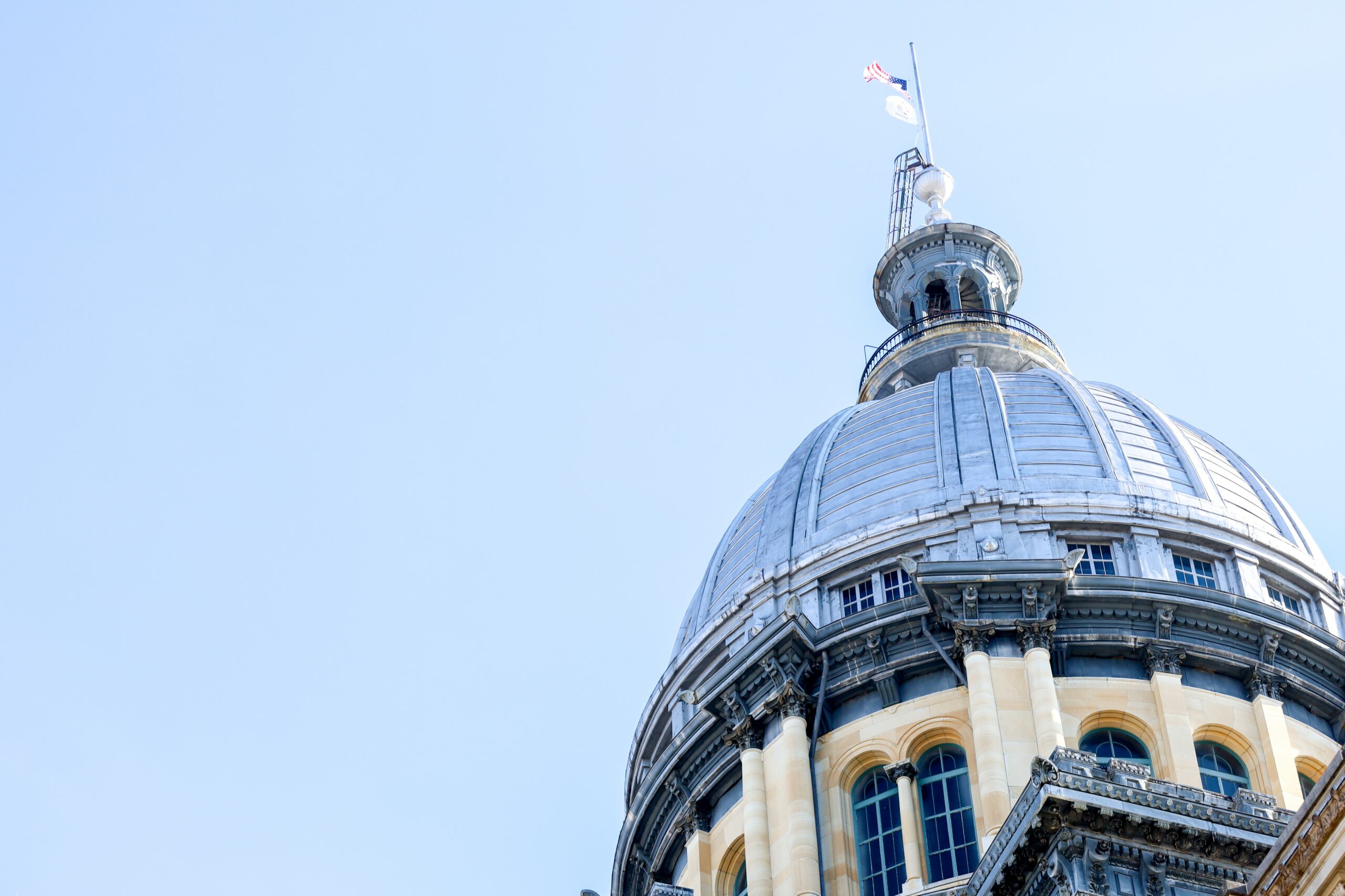
Illinois General Assembly Back in Session
The Illinois General Assembly returned to Springfield last week. The Senate met briefly on Tuesday and Wednesday, although they conducted no substantive business. The Senate adjourned until February 3, leaving a quiet few weeks ahead. The House is scheduled to come back on Tuesday January 20th, which will mark its first session day of the year. Since the end of veto session, 117 bills have been filed in the Senate and 278 bills in the House, numbers that are expected to quickly rise ahead of the February 6 bill‑filing deadline.
Federal Mental Health and Addiction Grants Briefly Terminated and Reinstated
Late on Tuesday, January 13, the Trump administration sent hundreds of termination letters for $2B in federal grants supporting the mental health and drug addiction system. The cuts pulled back funding for a wide swath of discretionary grants representing about a quarter of the Substance Abuse and Mental Health Services Administration’s (SAMHSA) overall budget, on the grounds that the grants do not align with Trump administration priorities. SAMHSA cuts come in the wake of upcoming cuts to Medicaid funding that will take effect in FY 2028 that will also affect many mental health and addiction providers.
Many organizations in Illinois impacted by the SAMHSA cuts were surprised by the lack of communication and the massive loss of front-line capacity. In Illinois, the impact ranges from ceasing to provide peer recovery services to a decrease in naloxone distribution. For example, the Haymarket Center, the largest nonprofit addiction treatment program in Chicago, lost a grant to help unhoused people in substance rehabilitation obtain job training, which is what the Trump administration requires for Medicaid and SNAP recipients.
Following the announcement of cuts, Congressmembers on both sides of the aisle urged the White House and the U.S. Department of Health and Human Services officials to reverse course. Facing strong opposition, the Trump administration restored the terminated grants one day later on Wednesday, January 14. While the funding cuts were short-lived, the organizations they impacted will remain panicked about the potential for future sweeping cuts at a moment’s notice.
Trump Administration Threatens Funding Cuts to Sanctuary States and Cities
U.S. President Donald Trump stated on Tuesday, January 13, that he plans to deny federal funding to any sanctuary cities and states beginning February 1, arguing that such jurisdictions “protect criminals” and contribute to fraud and crime. Illinois is considered a sanctuary state under the TRUST Act, which restricts local police from detaining individuals solely based on immigration status or in response to ICE requests unless a criminal warrant is signed by a judge.
In 2017, the first Trump administration issued an executive order to halt funding to sanctuary jurisdictions. A federal district court in California ruled the order was unconstitutional on multiple grounds: violating the Tenth Amendment, prohibiting the federal government from commandeering state and local officials to carry out federal duties; the Fifth Amendment, guaranteeing the right to due process; the Spending Clause, limiting how federal funds can be conditioned; and the separation of powers doctrine. Since then, when the Department of Justice attempted to add immigration‑related conditions to certain federal grants, multiple federal courts held that those conditions exceeded statutory authority and violated the Spending Clause and anti‑commandeering limits.
The State of Illinois FY 2026 General Funds budget estimates approximately $3.75B in federal funding in FY 2026. The City of Chicago also expects to receive over $3B in federal funds in 2026, with Chicago officials stating the latest threat could affect funding for public health, transportation, and public safety. Since many federal grants contain broad discretionary language, agencies such as the U.S. Department of Transportation could halt funding for Chicago projects without penalty. Both Chicago Mayor Brandon Johnson and Gov. JB Pritzker stated that they will challenge the policy in court if it moves forward.
Important Upcoming Dates – Statewide
February 6 – Bill Introduction Deadline
February 18 – Governor’s State of the State and Budget Address
March 13 – Initial Chamber Committee Deadline (Senate)
March 27 – Initial Chamber Committee Deadline (House)
April 17 – Initial Chamber Third Reading Deadline
May 8 – Opposite Chamber Committee Deadline
May 22 – Opposite Chamber Third Reading Deadline
May 31 – Adjournment